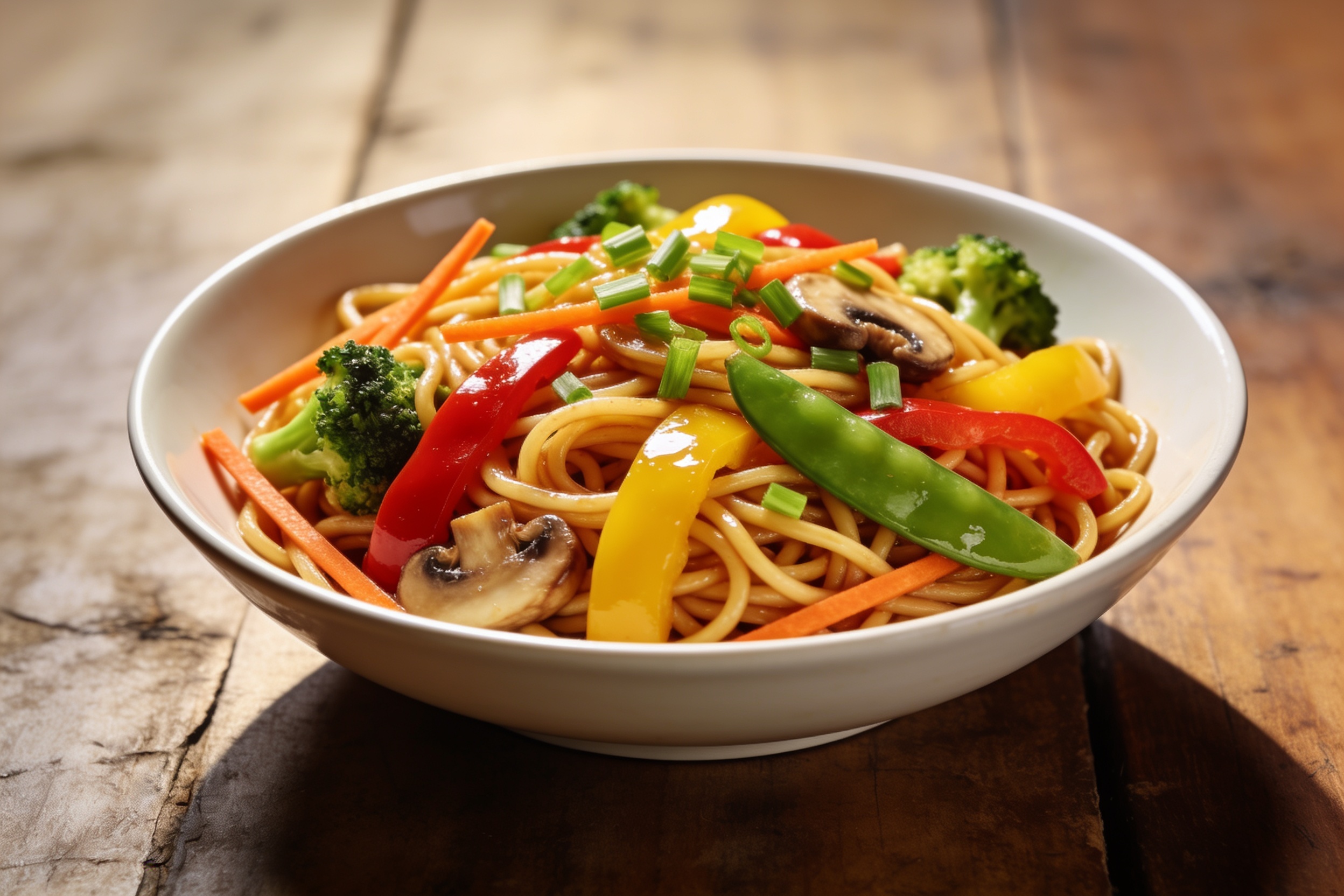
Ready for a veggie-packed, weeknight-friendly Lo Mein that tastes like it came from a cozy noodle shop? You’re in the right kitchen. This dish keeps things simple, fresh, and downright delicious—no wok? no problem. Let’s toss some color on your plate and a smile on your face.
What Makes This Veggie Lo Mein Special
First, we’re dialing up flavor with a straightforward sauce that clings to every noodle and veggie. No mystery ingredients or long grocery runs required. The vegetables stay crisp, the noodles stay glossy, and the whole thing comes together in under 30 minutes.
FYI, you don’t need fancy equipment to wow your taste buds. A basic skillet or a wide pan does the trick. And yes, this is flexible—swap in what you’ve got, skip what you don’t, and still end up with a crowd-pleasing plate.
Smart Prep: Veggies That Cook Fast and Look Gorgeous
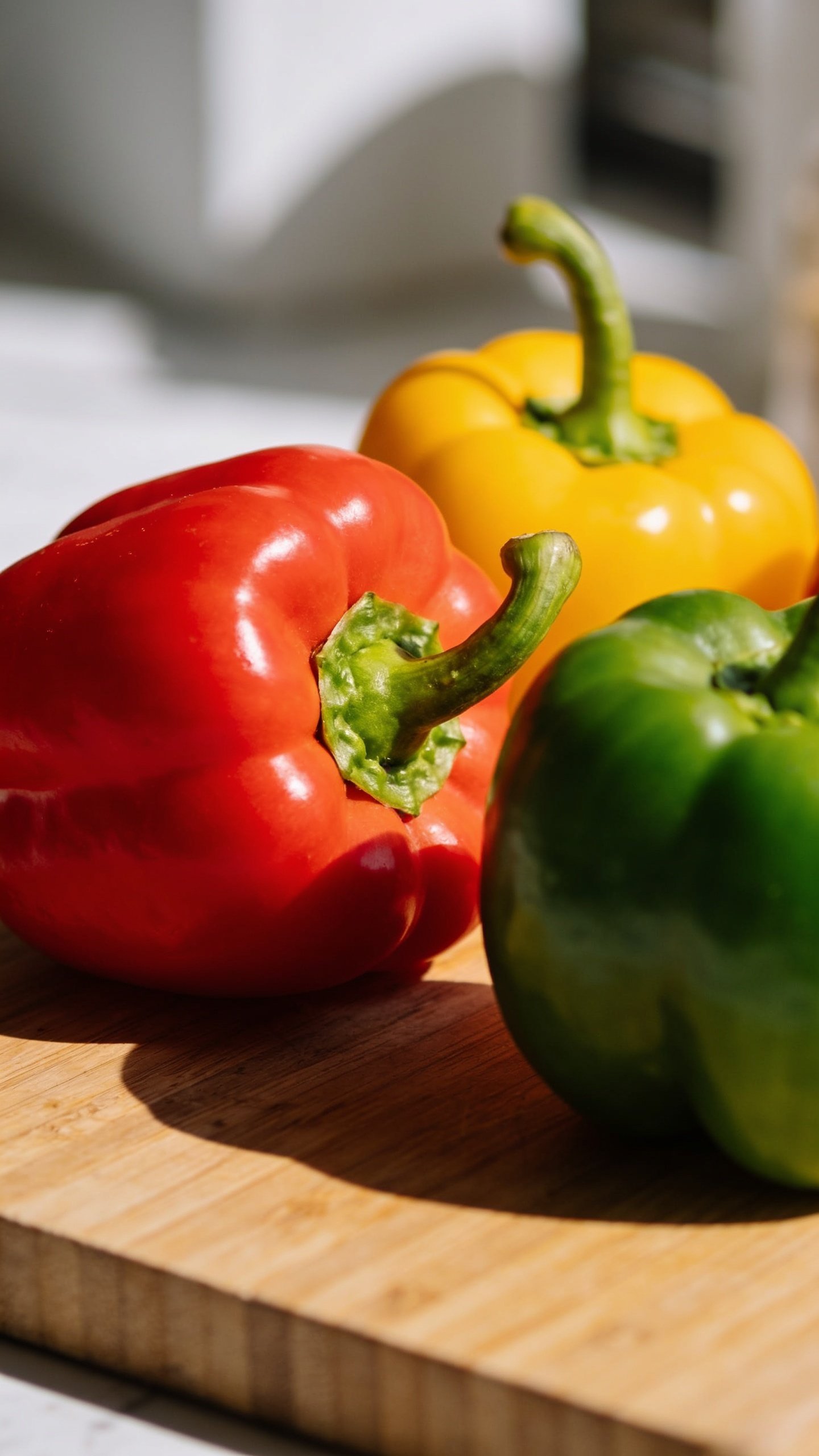
Stack your veggie lineup with color and crunch: bell peppers, carrots, broccoli, snap peas, mushrooms, and green onions all pull their weight here. Slice them thin or into matchsticks for quick cooking and a snappy bite.
- Julienne or thin-slice carrots and bell peppers for fast tender-crisp bites.
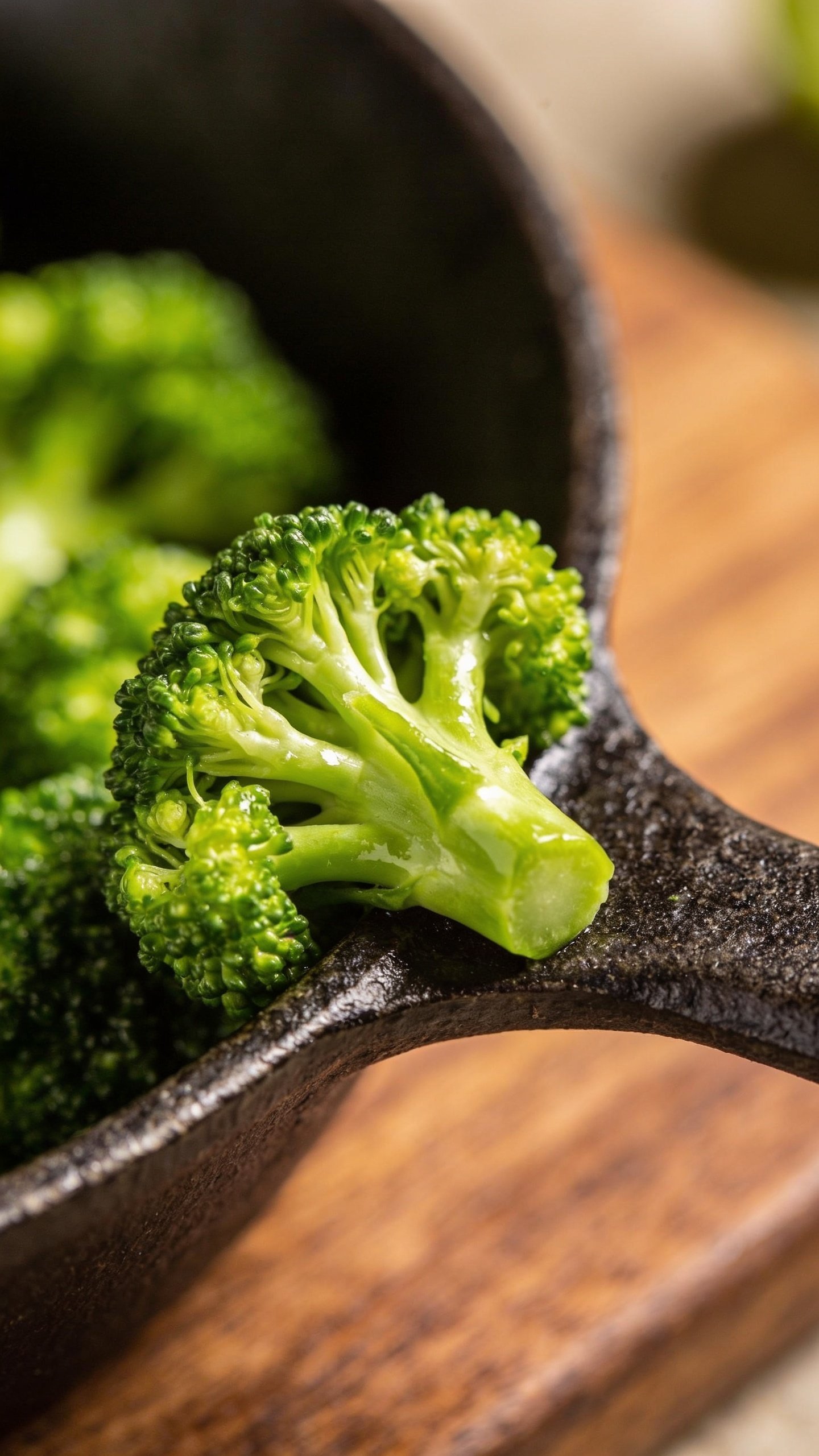
- Break broccoli into small florets so they cook in a minute or two.
- Sauté mushrooms until they release their juices—this is flavor gold.
Which Veggies Rock Best?
- Bell peppers, broccoli, carrots, snow peas, mushrooms
- Baby corn or snap peas for extra snap
- Spinach or bok choy at the end for greens without wilting
Simple Sauce, Big Flavor
The sauce is the quiet hero here: balanced, glossy, and easy. It combines soy sauce, a touch of sesame oil, a splash of rice vinegar, honey or sugar for a hint of sweetness, and a whisper of garlic and ginger. No mystery ingredients—just real flavors that shine.
- 1/4 cup soy sauce
- 1 tablespoon rice vinegar
- 1 tablespoon honey or maple syrup
- 1 teaspoon sesame oil
- 1 clove garlic, minced
- 1 teaspoon grated fresh ginger
Whisk together and pour over the noodles toward the end. If you like it spicier, toss in a pinch of chili flakes or a drizzle of chili oil.
Cooking Hack: Noodles That Stay Perfect
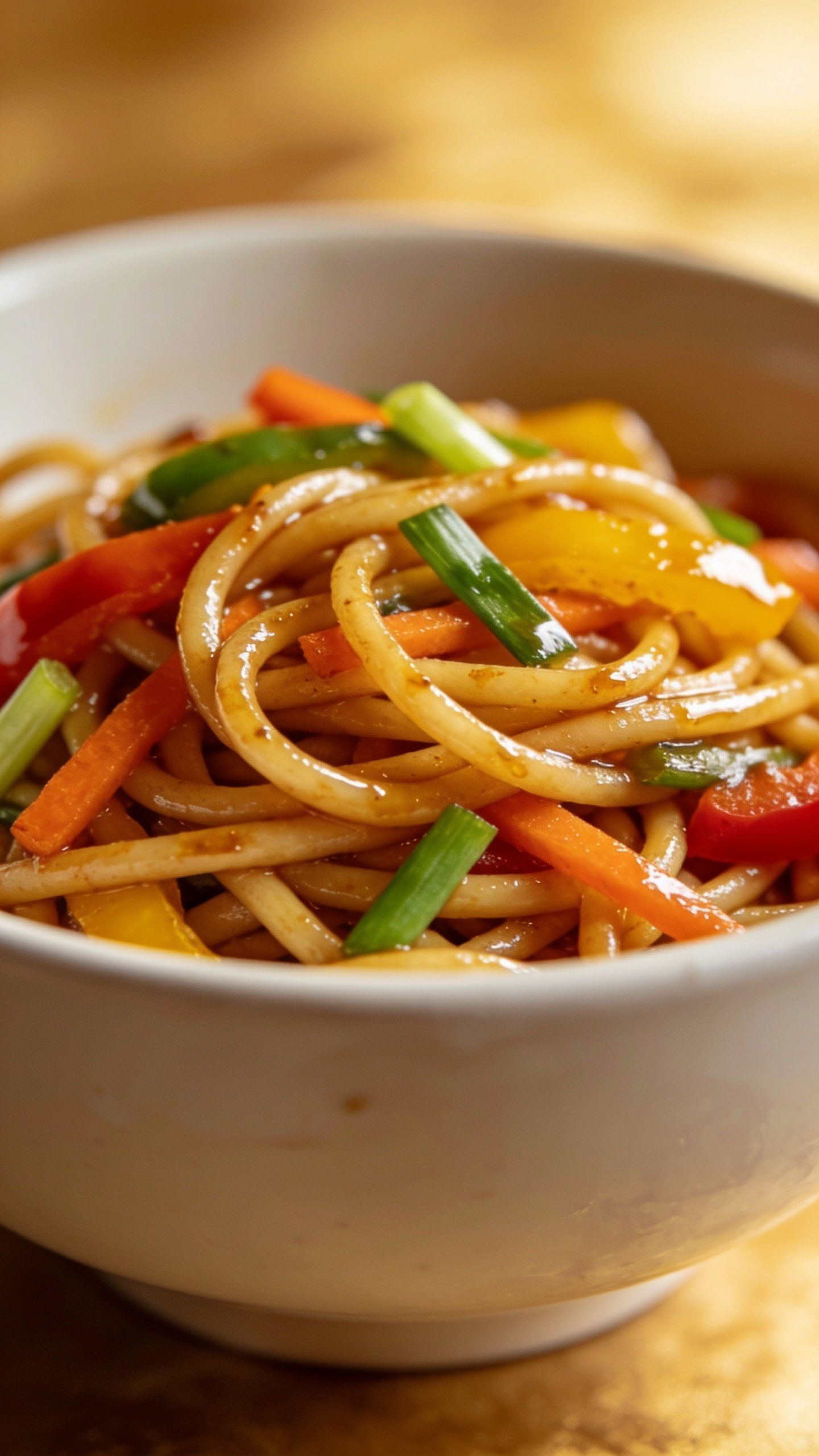
Cook the noodles until they’re just shy of al dente. They’ll finish cooking in the pan with the veggies, soaking up sauce without turning mushy. Rinse lightly or toss with a splash of oil after draining to prevent sticking—your future self will thank you.
Tip: If you’re using fresh noodles, adjust cooking time down a bit. Always taste as you go—because nobody likes undercooked noodles or soggy strings.
Putting It All Together: Step-By-Step
- Prep all veggies and sauce ingredients before you heat the pan. This dish cooks fast, and you don’t want to be chasing ingredients.
- Cook the veggies in a hot pan with a little oil, starting with the harder veggies (carrots, broccoli) and ending with greens like spinach.
- Push veggies aside, scramble or briefly cook minced garlic and ginger for perfume, then rejoin veggies.
- Add noodles and sauce, toss vigorously until everything is coated and glossy.
- Finish with green onions and a final drizzle of sesame oil if you love extra aroma.
Helpful Substitutions
- Use soba or udon instead of lo mein noodles for a different texture.
- Swap tamari for a gluten-free option if needed.
- Protein add-ins: scrambled eggs, tofu, or a quick sautéed chicken strip.
Texture, Taste, and Timing: The Three-Tier Test
Texture matters here. You want crisp-tender veggies and glossy, not chalky noodles. Taste as you go: a little more soy for saltiness, a touch more honey for balance, or a squeeze of lime for brightness. And yes, a bit of sesame seeds on top never hurts.
Timing is your best friend. The veggies finish in the same window the noodles do, so you’re not juggling multiple pots. FYI, the sauce thickens a touch as it rests, so taste after a minute of rest and adjust if needed.
Make It Your Own: Flavor Variations
Love heat? Add chili crisp or shredded chili oil. Like a richer sauce? A teaspoon of peanut butter whisked into the sauce adds depth and a hint of nuttiness. Want extra savor? A splash of soy-sauce-reduction glaze can do wonders.
Leftovers and Make-Ahead Tips
Leftovers reheat surprisingly well in a skillet or quick microwave session. If you’re planning ahead, chop veggies the night before and cook noodles fresh. Store sauce separately so the noodles don’t get soggy.
Snackable FAQ
Can I use canned veggies for this recipe?
Canned veggies can work in a pinch, but they won’t have the crisp-tender bite of fresh. If you must, use well-drained veggies and extend the cooking time a minute or two to re-crisp them.
Is there a vegan version?
Absolutely. Use maple syrup or agave instead of honey, and ensure your noodles and soy sauce are vegan. Sesame oil and vegetable oil keep it delicious without animal products.
How do I keep the noodles from sticking?
Rinse briefly after boiling and toss with a touch of oil if you’re not tossing into the pan right away. When you add them to the pan, give them a good toss to coat with sauce so they don’t clump.
What if I don’t have a wok?
No problem. A wide skillet or even a large sauté pan does the trick. The key is high heat and quick tossing so you don’t steam the veggies.
Can I add protein?
Yes, add pre-cooked chicken, shrimp, or tofu at the end to heat through. For eggs, scramble them in the pan first, then add veggies and noodles for a quick protein boost.
How spicy should I make it?
Start mild and work up. A pinch of chili flakes or a teaspoon of chili paste in the sauce can give you a gentle kick. If you’re feeding heat-holics, crank it up with chili oil or fresh chilies.
Conclusion: Your Weeknight Win
Easy veggie lo mein is all about speed, color, and a sauce that sings. With fresh vegetables, a simple sauce, and noodles that cling rather than crumble, you get a dish that feels restaurant-worthy without the drama. So grab your skillet, raid the veggie shelf, and cook with confidence. IMO, this is the kind of meal that makes you want to cook again tomorrow.